

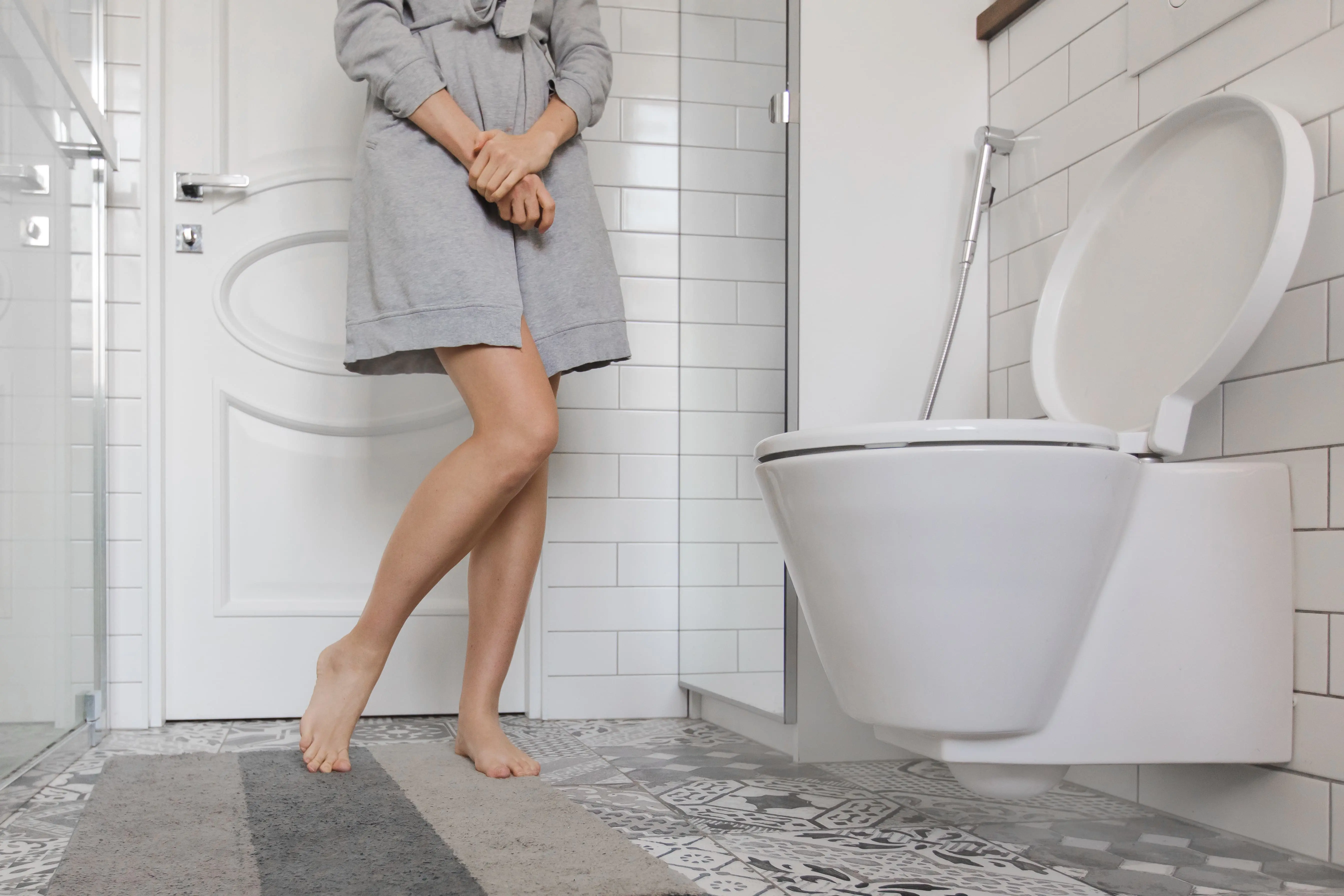
IncontiLase® for Urinary Stress Incontinence
Tired of crossing your legs every time you cough or laugh too hard? Do you eye a trampoline park as your nemesis? Life is meant to be fun, and we are here to help. Urinary Stress Incontinence (USI) is a common concern among women. At Solcara Health, we understand the impact this condition can have on your life. That's why we offer Fotona IncontiLase treatments, a revolutionary solution that has been extensively studied and proven effective over the last decade. We hope to bring back that pee-your-pants laugh (while keeping you dry)!
What is Urinary Stress Incontinence (USI)?
Urinary incontinence is characterized by the involuntary loss of urine. Stress incontinence is like the sneaky ninja of the group – it strikes when you're laughing, sneezing, running, or lifting something heavy, putting the squeeze on your bladder and causing a little leak. USI differs from urgency incontinence and overactive bladder (OAB). In cases of urgency incontinence or OAB, the bladder muscle decides to throw a surprise party, making you urgently need the bathroom ASAP. Oh, and by the way, ladies, you're more likely to deal with stress incontinence than the guys. While urge incontinence or OAB may be treated with medication, the only “true” treatment for Stress Incontinence is surgery. Until now…
A Non-Surgical Marvel: Fotona IncontiLase
Fotona IncontiLase is a game-changer—a non-surgical procedure harnessing fractional laser technology to strengthen your pelvic floor muscles, ultimately alleviating USI symptoms. Here's how it works: laser energy is precisely delivered to targeted muscle areas around and under the urethra. This stimulates muscle contraction, enhancing pelvic floor strength and support. It also triggers collagen and elastin production, boosting tissue strength and reducing USI symptoms.
Comfort and Convenience with No Downtime
One of the best parts? You won't need anesthesia, hospitalization, or downtime. Most patients experience minimal to no discomfort. Each session typically lasts around 30 minutes, allowing you to resume your daily activities right away.
We advise avoidance of intimacy, tampon use, or water submersion for 72 hours to prevent any secondary infections. However, that is it! Most of our patients have very little to no discomfort healing from this procedure. We also often couple it with Alastin Regenerating Skin Nectar with TriHex Technology® to help expedite healing.
Results You Can Count On
Results from Fotona IncontiLase become noticeable within two months, and they continue to improve over time as your muscle fibers strengthen. Numerous studies reveal that patients experience a remarkable improvement in their quality-of-life post-treatment. What's even better, these results are long-lasting and can be maintained with regular exercise and lifestyle adjustments. A healthy pelvic floor is key!
Boost your results by adding
O-Shot: Great for treating stress incontinence as well as enhancing sensation by treating the G-spot and surrounding tissue
Learn more about IncontiLase®

What is urinary stress incontinence (USI)?
Is Fotona IntimaLase® safe?
What are the symptoms of USI?
What are the causes of USI?
Is there any downtime after the procedure?

Quick Links